Lutron Lighting Control & Ketra Circadian Lighting from a Black Diamond Dealer in Bellevue
As a Lutron Black Diamond dealer, Elite Automation designs premium whole-home lighting control systems for homeowners, designers, and builders throughout Seattle and the Eastside. From Bellevue and Redmond to Kirkland, Sammamish, Mercer Island, and Medina, we help new builds and remodels treat lighting as part of the architecture, not a collection of fixtures and switches added at the end.
With Lutron control and Ketra tunable lighting, illumination can change with the room, the activity, and the time of day. Keypads, dimming, automated scenes, and natural-light tuning come together in one professionally engineered system designed to complement interior finishes, preserve clean sightlines, and make sophisticated lighting easier to use.
Lighting Design
Great lighting should feel inseparable from the home itself. It reveals architectural details, adds depth to materials and furnishings, and creates the right atmosphere for each room's use.
That requires more than choosing attractive fixtures. Professional lighting design considers fixture placement, beam spread, brightness, color temperature, daylight, and control as part of a single environment. In a Seattle or Eastside new build, those decisions can be coordinated with the architecture and interior design from the beginning. In a remodel, they can help modernize the home's appearance and functionality without letting new technology dominate the finished space.
Why hire a lighting designer?
When lighting decisions are divided among separate project disciplines without a unified plan, fixture placement, controls, light quality, and visual balance can become disconnected.
A dedicated lighting designer brings the technical and aesthetic considerations together. The lighting can be planned around architectural features, furniture layouts, artwork, finishes, and the way homeowners move through each room, while controls are considered early enough to support a cleaner finished environment.
That collaborative approach also gives interior designers and builders a lighting strategy that supports, not competes with, their work.
-
Ongoing training in professional lighting automation technology
-
Lighting techniques designed to reveal architecture, materials, and interior details
-
Technical knowledge spanning physics, optics, electricity, codes, and environmental impact
-
Early planning that considers equipment and labor requirements
-
Lighting decisions are coordinated before they become late-stage compromises
-
Designs tailored to the residence, interior environment, and everyday routines
Color Temperatures at a Glance

1,700 K
2,700 - 3,300 K
4,100 - 4,150 K
5,500 - 6,000 K
6,500 K
15,000 - 27,000 K
1,850 K
3,000 K
5,000 K
6,200 K
6,500 - 10,500 K

1,700 K
2,700 - 3,300 K
4,100 - 4,150 K
5,500 - 6,000 K
6,500 K
15,000 - 27,000 K
1,850 K
3,000 K
5,000 K
6,200 K
6,500 - 10,500 K
Circadian Light with Ketra
Lighting changes naturally outside throughout the day. A wellness-oriented interior lighting strategy can address that same idea by giving homeowners greater control over brightness and color temperature from morning to evening.
Ketra natural-light technology allows white light to shift across a broad range rather than locking every room into one fixed color temperature. Brighter, cooler settings can create a more alert daytime environment, while warmer, lower-intensity scenes can give the home a calmer visual character in the evening.
The goal is not to make every room constantly change color. It is to use tunability deliberately around the home's daily rhythm: preparing for the day, working, cooking, entertaining, or winding down.
For design-conscious homes, Ketra also gives architects and interior designers more control over how materials, artwork, finishes, and furnishings appear under changing light. Wellness, aesthetics, and everyday usability can therefore be considered as parts of the same lighting design, without making unsupported medical or sleep claims.
Essential Layers of Light
A well-designed room rarely depends on a single source of illumination. Ambient, task, and accent lighting work together to add depth, improve flexibility, and provide homeowners with the right light for different activities.
Ambient Light
Task Lighting
Accent Lighting
-
Daytime
A “Daytime” scene can prepare selected spaces for the workday with brighter ambient and task lighting. Instead of adjusting several dimmers individually, a single scene can set the desired environment throughout the room.
-
Bedtime
A “Bedtime” scene can lower selected lights throughout the home and shift compatible tunable fixtures toward warmer settings. One command simplifies the transition from active living spaces to a quieter evening environment.
-
Entertaining
An “Entertaining” scene can coordinate lighting across kitchens, living areas, and adjacent outdoor spaces so the home feels cohesive as guests move from room to room.
-
Movie Night
A “Movie Night” scene can dim decorative and overhead lighting while leaving subtle illumination where needed for movement. The room changes with one command instead of several separate switch adjustments.
Architectural Fixtures
Layered lighting depends on fixtures selected for both the quality of illumination they provide and their role in the architecture.
Pendants, downlights, and track lighting can work together to define surfaces, support everyday tasks, and add visual depth without making ceilings and walls feel unnecessarily busy. For premium new builds and remodels, fixture selection should be coordinated with interior materials, ceiling details, furniture layouts, and control requirements early in the design process.

Linear Pendants
Pendant lighting can serve as both a visual design element and a source of ambient or task illumination. Forms, finishes, and mounting configurations can be coordinated with islands, dining tables, seating areas, or architectural details to make the fixture feel intentional within the room.

Downlights

Retrofit Downlights

Track lighting
Light and Shade Together
Electric light is only half of the lighting environment. Natural daylight varies with the hour, season, weather, and the home's orientation, making window treatments an important part of a complete lighting strategy.
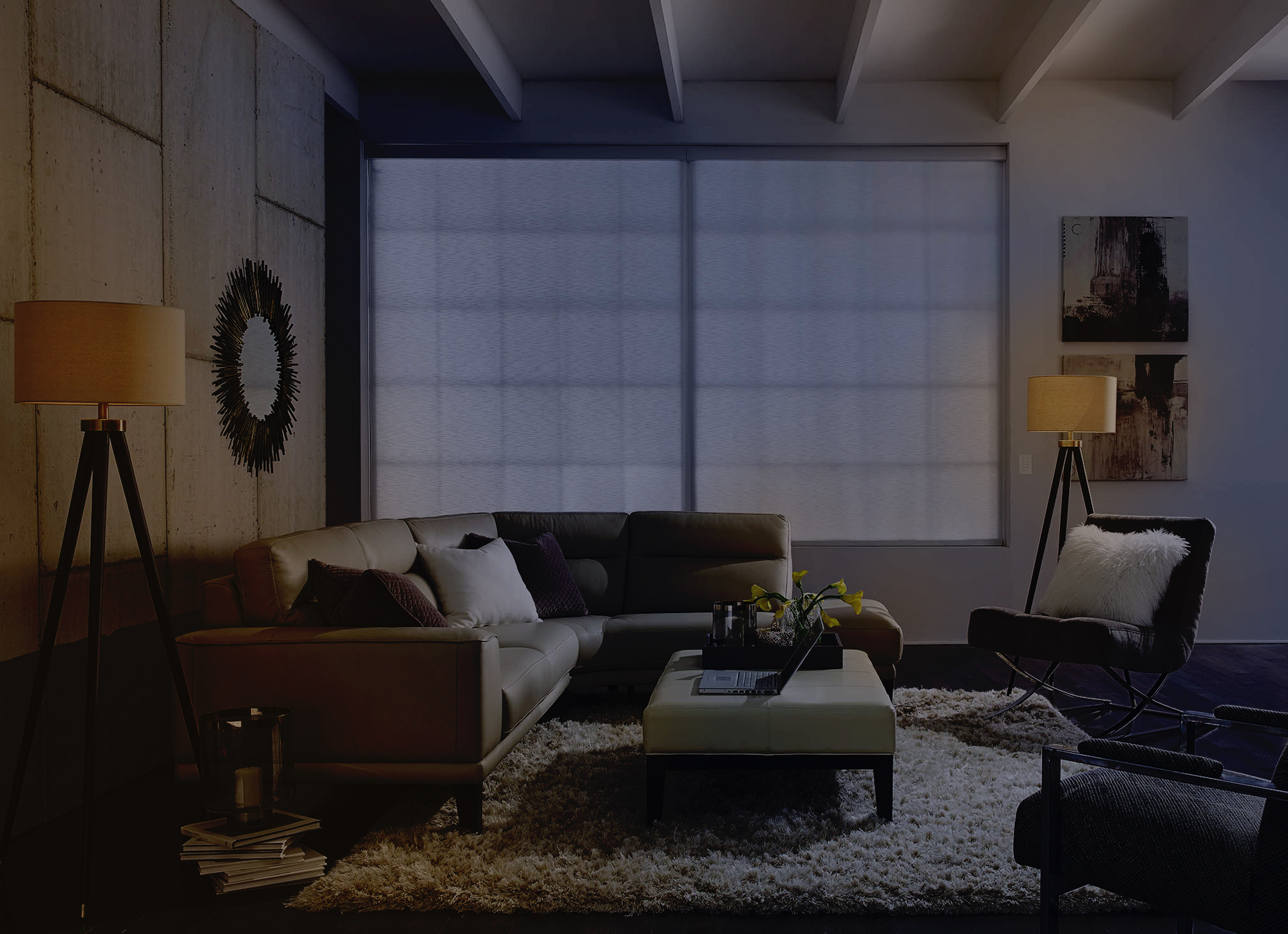
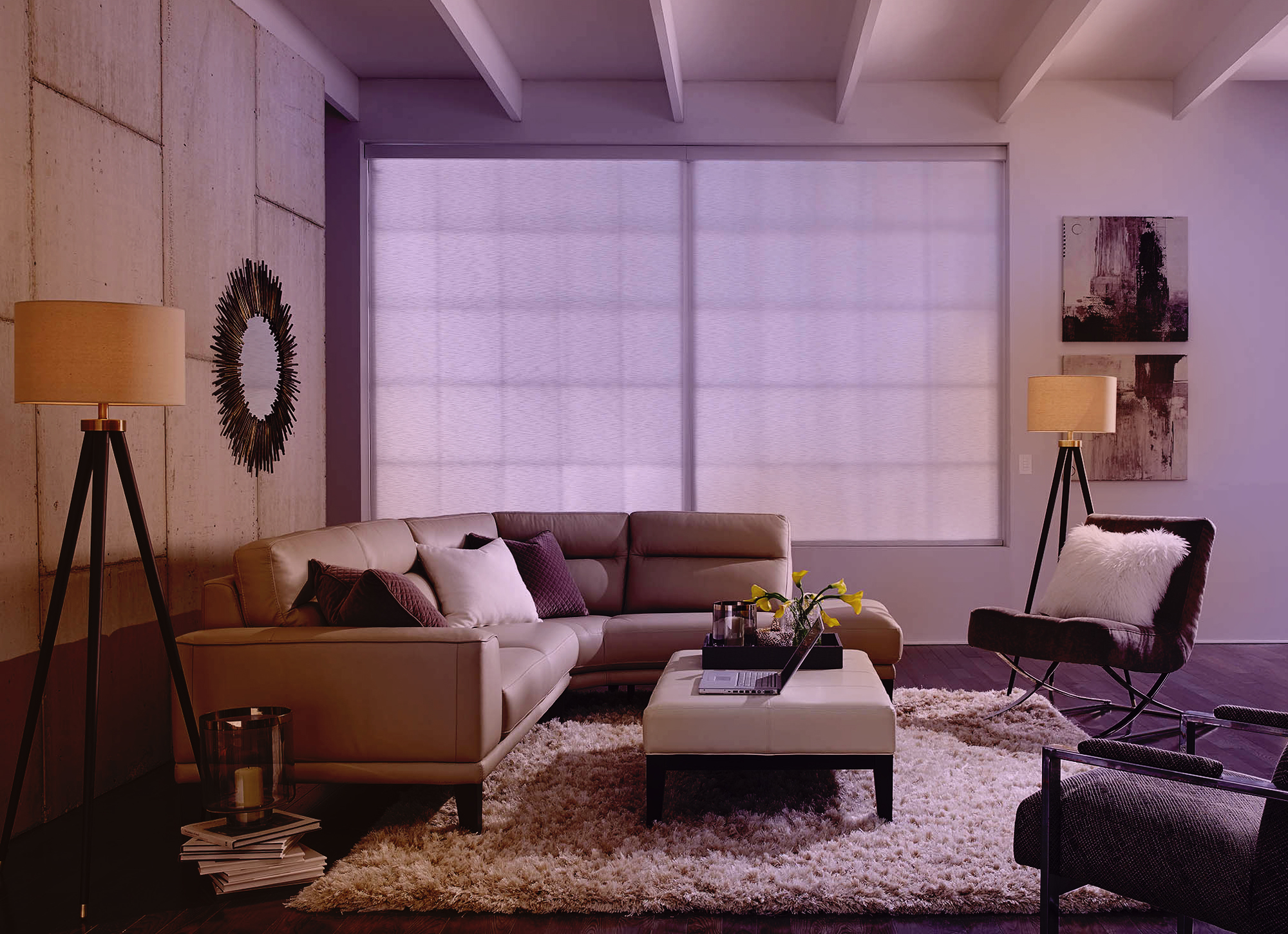
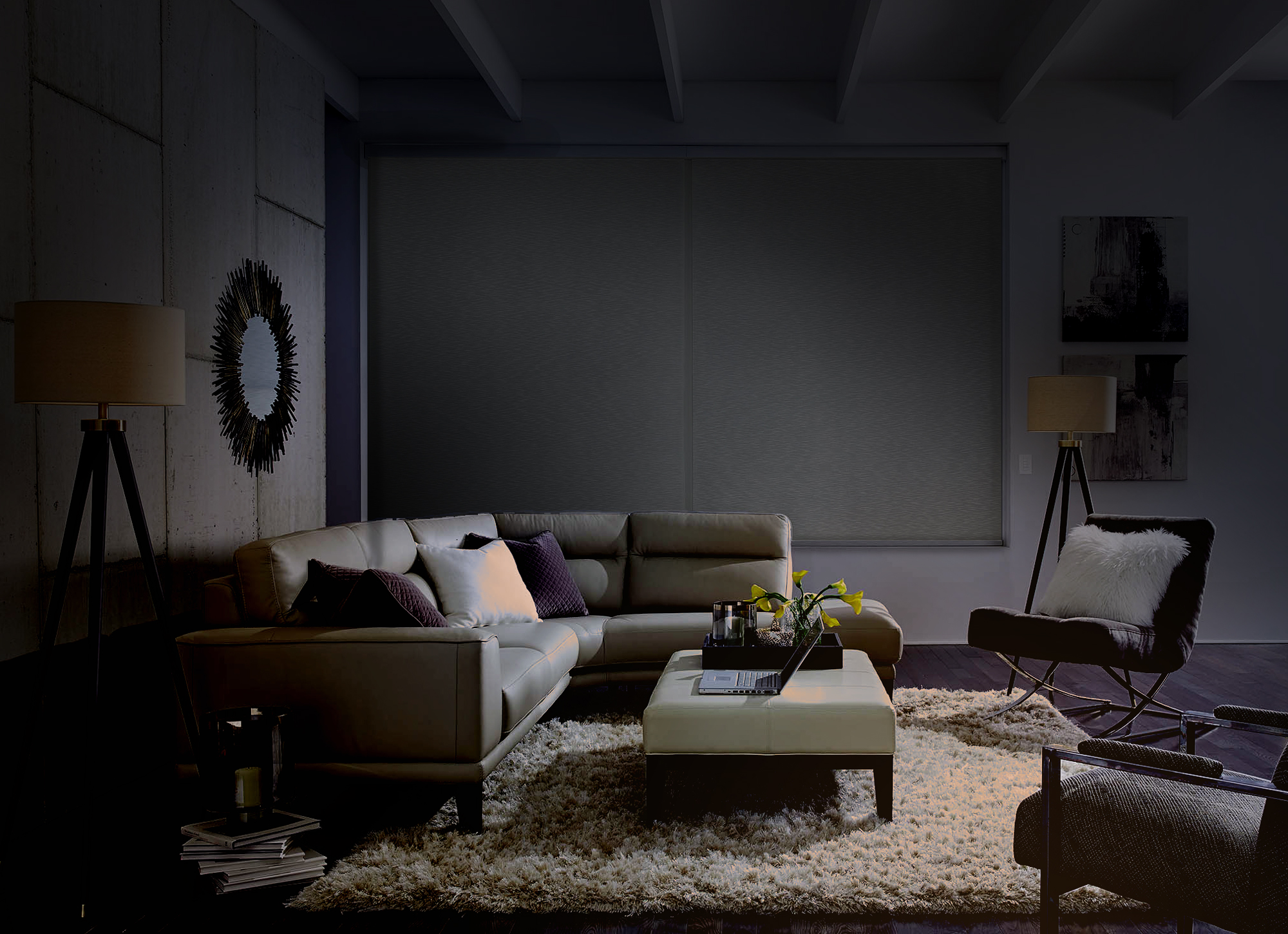
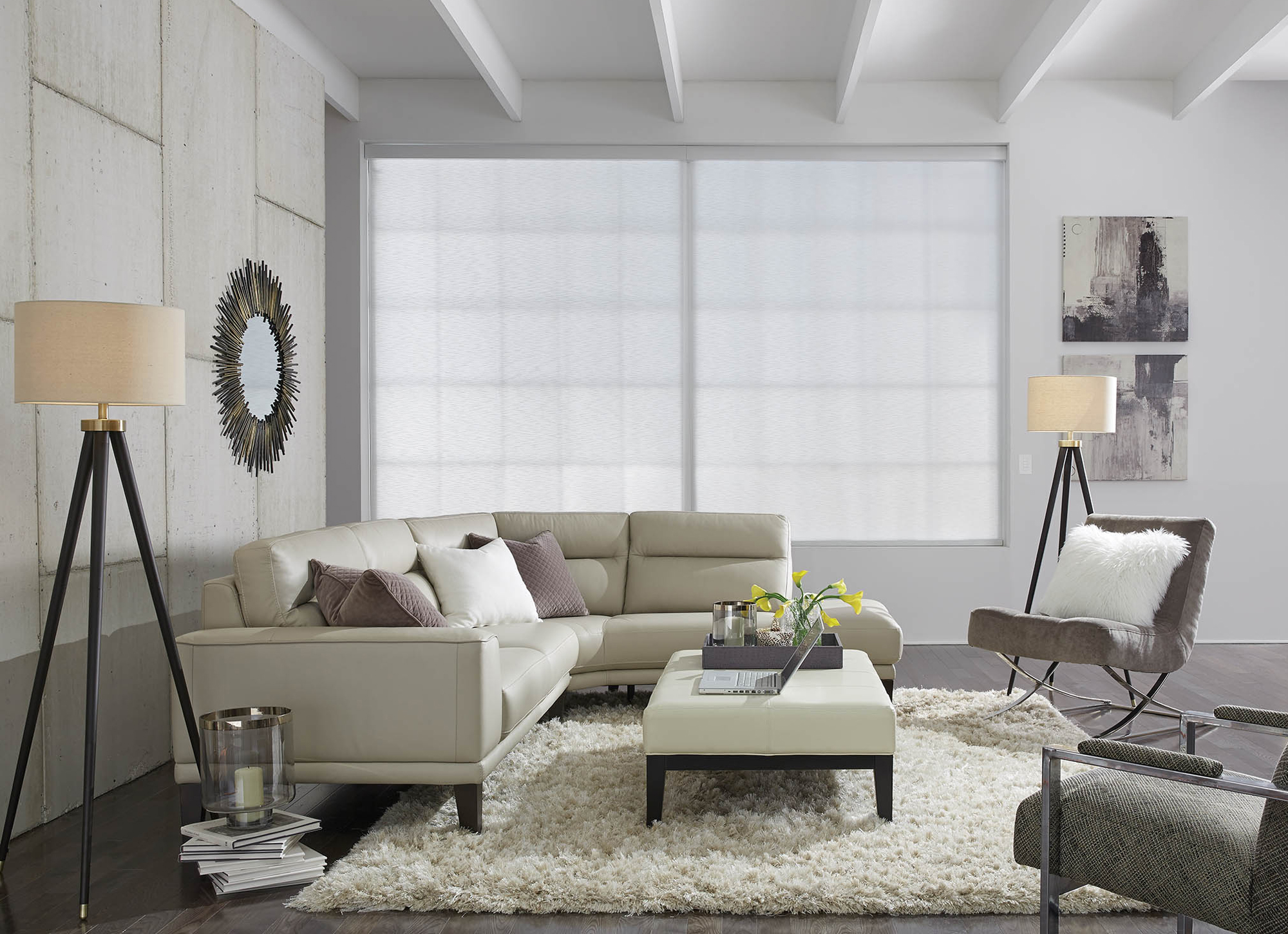
Lutron Sivoia QS motorized shades can work alongside the lighting system so that electric illumination, daylight, and privacy feel coordinated rather than separate.
This is especially relevant in design-led Seattle and Eastside homes where large windows, views, or open living areas make natural light an important part of the interior. Shades can help manage changing daylight while electric fixtures maintain the desired illumination inside. In the evening, the same environment can shift toward more private, warmer interior scenes.
Coordinating lighting and shading early also gives designers and builders an opportunity to address control locations, wiring, window treatments, and visual details together.
Explore how motorized shades can extend the same design-first approach to natural-light control.
Lighting Control
For homeowners in Bellevue and across Washington, a professionally designed smart home can bring greater comfort, convenience, and control to everyday living. Thoughtful home automation connects lighting, shading, entertainment, climate, and other technologies into a single coordinated system, with intuitive interfaces and voice control that make common routines easier to manage. With professional installation, each component can be planned around the home’s architecture and the homeowner’s preferences for a seamless, integrated experience.
A whole-home lighting control system brings fixtures, keypads, dimming, automated scenes, and system control into one coordinated experience.
Rather than installing a collection of independent smart bulbs or treating each room as a separate bank of switches, professional lighting control is engineered around the entire residence. Multiple fixtures and lighting layers can respond together to a single command, while centralized components and streamlined keypads can reduce visible wall clutter.
For homeowners, the result is simpler control. For designers and builders, it is an opportunity to integrate the technology into the architecture instead of working around it after finishes are selected.
Interfaces
Lighting interfaces give homeowners intuitive access to the system through personalized keypads, touch interfaces, mobile devices, or compatible voice-control experiences.
Depending on the design, controls can adjust individual lights or entire groups, change intensity or color temperature, and recall saved scenes without requiring users to manage every fixture separately.
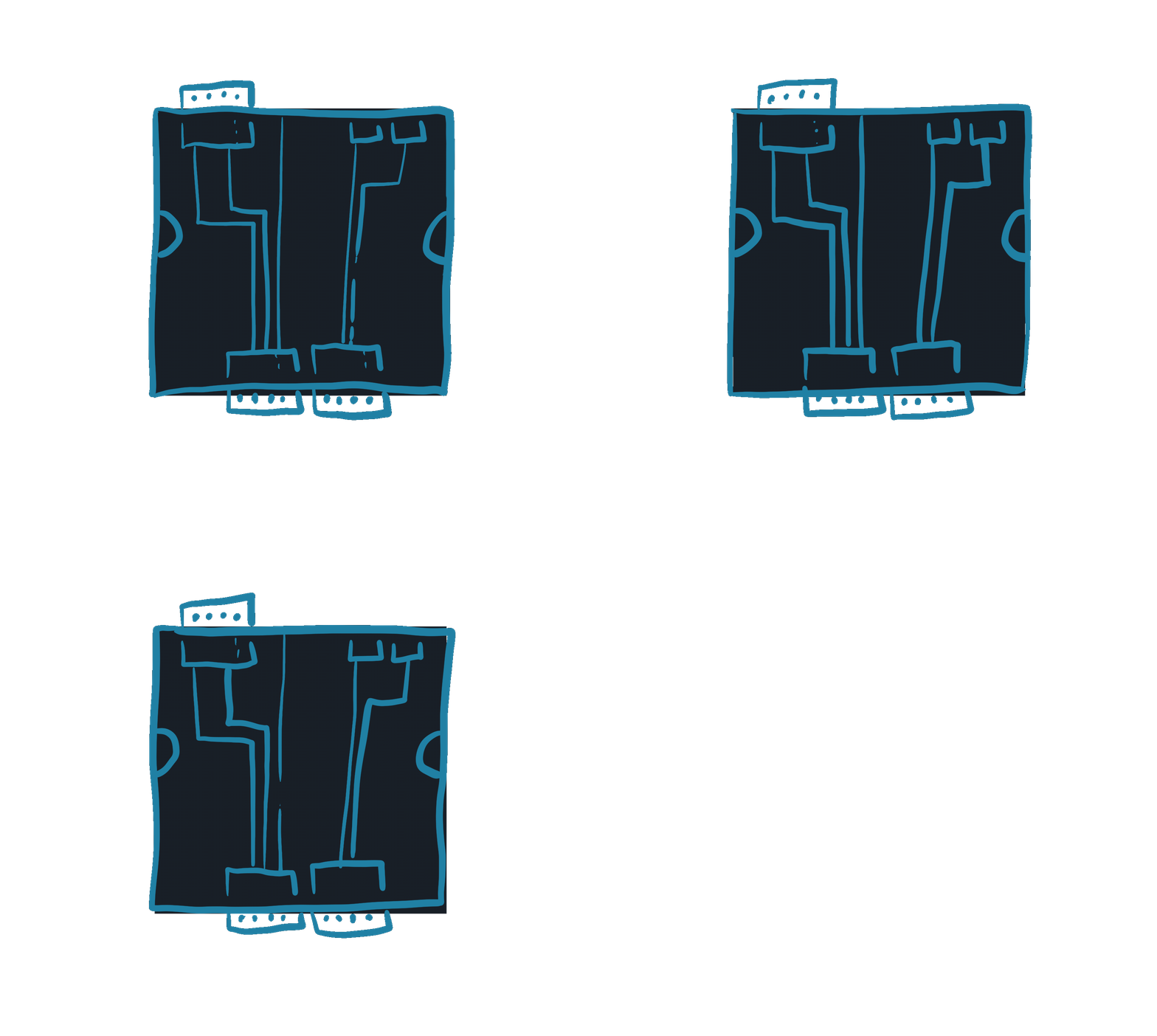
Processor
The processor coordinates communication between the controls and connected lighting components.
During design, the system platform and processing capabilities are selected based on the scale of the residence and the planned control experience. The objective is to make keypads, scenes, and automated commands operate as a unified system rather than a series of disconnected devices.
Dimming Panels
Centralized dimming panels move much of the lighting-control hardware away from finished living spaces and into a dedicated equipment or utility location.
This approach can reduce the need for large banks of wall dimmers, support advanced programming, and preserve cleaner wall surfaces in rooms where architecture, artwork, and interior finishes should receive attention.
Smart Dimmers/Switches
Smart dimmers, switches, and keypads can replace larger groupings of conventional controls with a cleaner interface.
Personalized buttons can provide direct access to commonly used scenes or whole-home commands, while available finishes allow the visible controls to feel coordinated with the surrounding décor rather than added as an afterthought.
Automated Control
The full value of smart lighting appears when individual settings become simple, repeatable experiences.
A single scene can coordinate multiple lighting layers and rooms around familiar moments such as arriving home, preparing dinner, entertaining guests, watching a movie, or heading to bed. Homeowners no longer need to remember which fixtures should be at which level every time the activity changes.
Lighting can also participate in a broader smart-home environment through platforms like Control4 and Josh.ai. A coordinated command can bring compatible lighting and shading into a single experience, rather than requiring separate controls for each subsystem.
The strongest automation feels simple because the technical complexity has already been addressed through design and programming. Homeowners get an intuitive experience, while designers and builders gain a coordinated technology plan that supports cleaner interiors.
Craft a Beautiful Space with Light
Lighting should do more than turn on and off. It should support the architecture, reveal the materials and finishes that make the home distinctive, respond naturally to different activities, and remain simple to control.
As a Lutron Black Diamond dealer, Elite Automation brings lighting design, Ketra tunable illumination, whole-home control, motorized shading, and smart-home integration into one coordinated approach for premium new builds and remodels throughout Bellevue, Seattle, and the Eastside.
Whether you are a homeowner planning a residence or a designer or builder coordinating the details behind one, start the lighting conversation early enough so the system becomes part of the design.